


Absenteeism Hinders Academic Recovery in Key Subjects
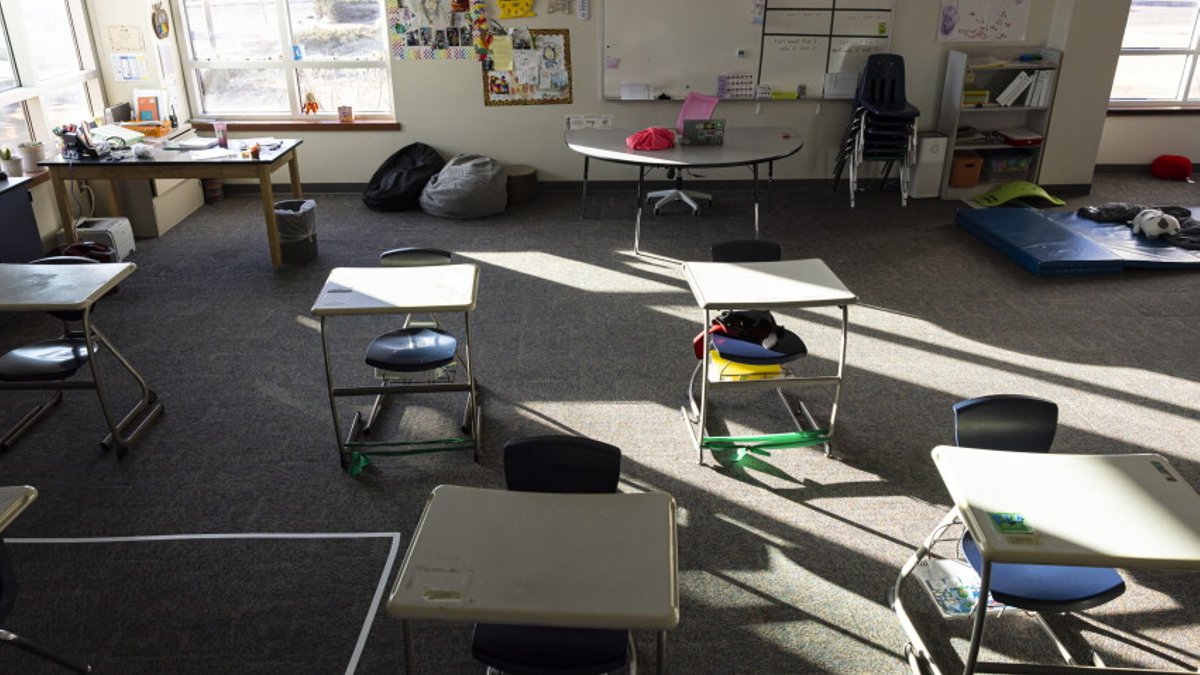
Absenteeism rates, which spiked during the pandemic, still haven’t fallen back to previous levels. A new study adds to the evidence base that suggests these absences are a persistent barrier to growing students’ reading and math scores.
Chronic Absenteeism and Academic Recovery
The report, from the testing group NWEA, compared scores on the company’s grades 3-8 math and reading achievement tests with rates of chronic absenteeism across 2,000 districts between 2019 to 2024. Districts with consistently high chronic absenteeism during those years—defined as having 20% or more of their students missing 10% or more of the days in the school year—made less academic recovery by 2024.
The effect was more pronounced in math, where high chronic absenteeism districts were about 50% further from recovery than in reading. Attendance seemed to matter the most in the highest-poverty districts, where the gap in recovery between districts with high rates of absenteeism and districts with low rates was bigger than in middle- and low-poverty districts.
Related: Why not learn more about ?
Tackling Chronic Absenteeism
Schools and districts have tried a variety of strategies in the pandemic’s wake, with mixed results. Frequent, personalized interventions—like home visits and tailored text messages—saw the most success in a recent study from researchers at Wayne State University. Addressing barriers to getting to school, like transportation and homelessness, was also effective.
Another recent study from a parent-school communications company, SchoolStatus, found similar positive results from digital messages to families of students at risk of becoming chronically absent. While these interventions aim to change parents’ and students’ behavior, some districts have also retooled the school calendar in the hopes of encouraging better attendance patterns.
According to the report, states should be targeting additional resources for high-poverty districts to combat absenteeism. Megan Kuhfeld, the director of growth modeling and data analytics at NWEA, and an author on the brief, said: “This research indicates that states should be really targeting additional resources for high-poverty districts to combat absenteeism.”
Related: Why not learn more about ?
Thomas Kane, the director of the Center for Education Policy Research at Harvard, said in an interview that absence rates can hurt even the kids who aren’t absent. “If there’s a different group of kids missing every day, and teachers are having to constantly reteach the same material, there’s pre-pandemic research that suggests peer absences hurt everyone in the class.”
Chronic absenteeism peaked in the 2021-22 school year at 29%, according to an analysis from the American Enterprise Institute. Absenteeism rates have slowly declined since then, falling to 26% in 2022-23 and about 23% in the 2024-25 school year, but are still about 50% higher than before the pandemic.
Schools continue to grapple with the issue of chronic absenteeism.

Vintage or Antique Rings


